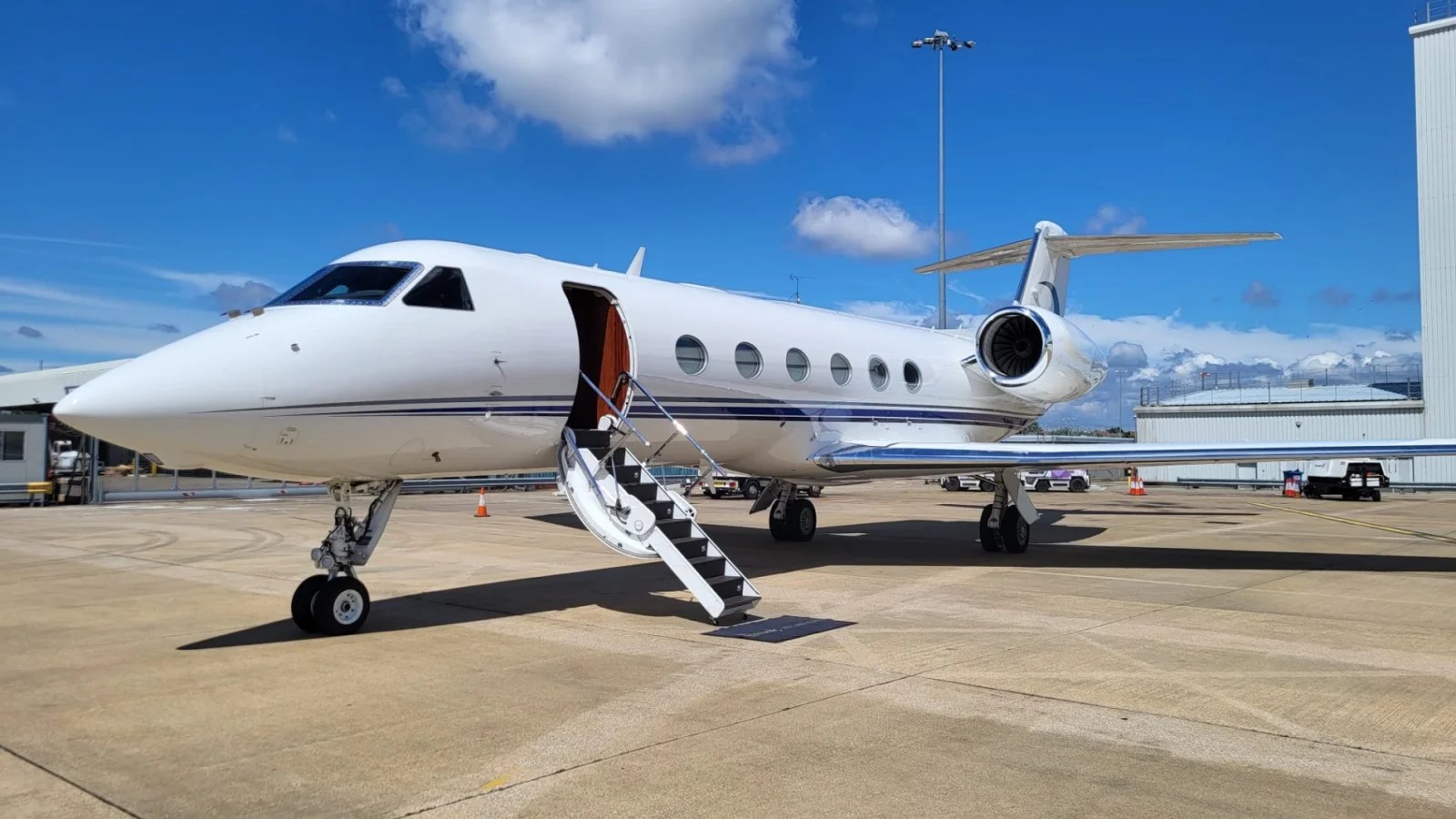
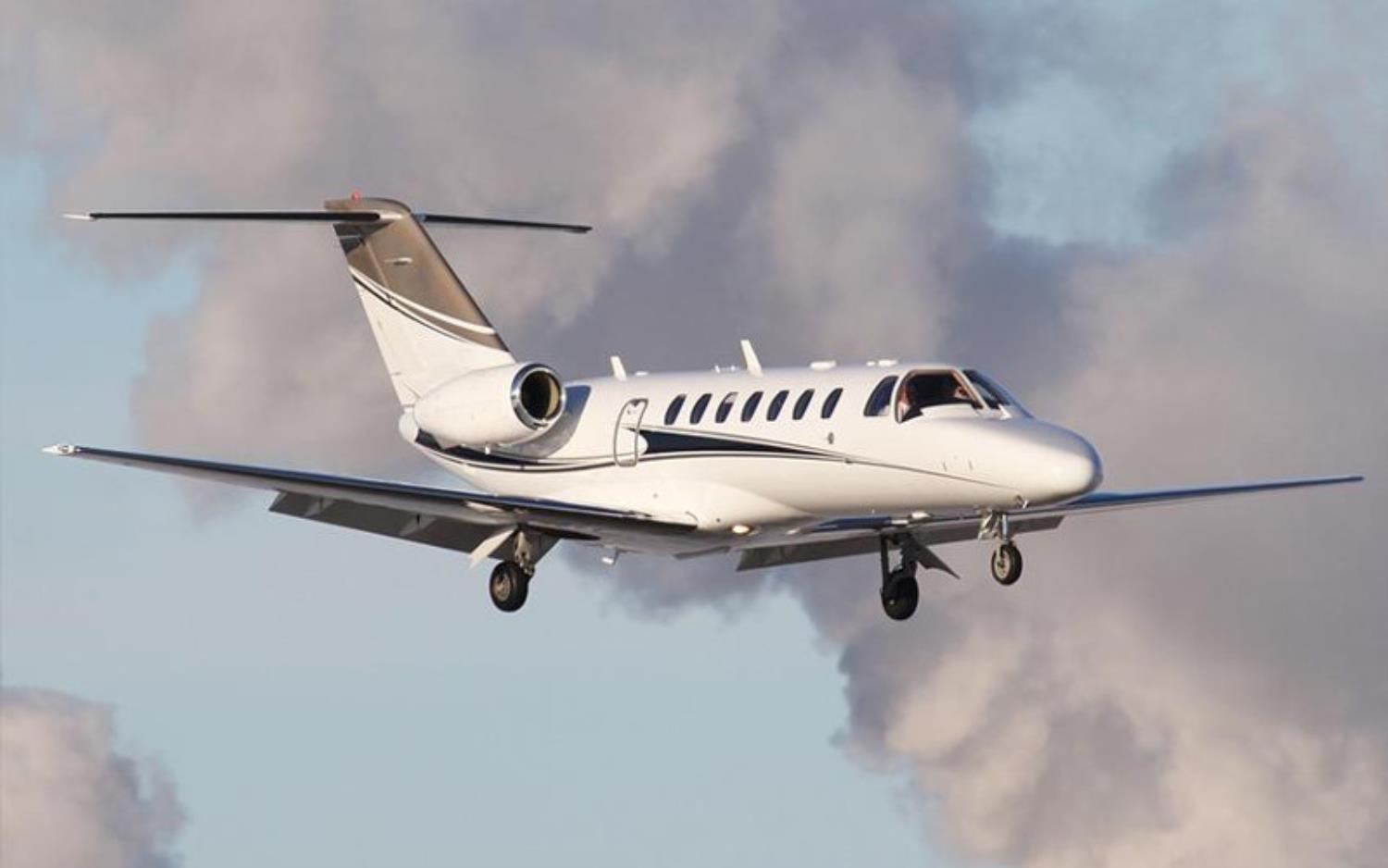
Choosing a private jet category is less about buying the biggest cabin and more about matching the aircraft to the mission. Passenger count, baggage, runway, weather, distance, and the way you want to use the cabin all matter. This comparison helps you ask the right questions before a specific aircraft is proposed.
Quick category comparison
| Decision factor | Light jet | Midsize jet | Super-midsize jet |
|---|---|---|---|
| Typical mission | Efficient regional trips | Regional and longer domestic trips | Longer domestic and selected international trips |
| Cabin feel | Compact and efficient | More room to move and work | Larger cabin; many models offer stand-up height |
| Baggage | Best for moderate, well-planned luggage | More capacity for groups and longer stays | Generally stronger capacity for fuller passenger loads |
| Best value when | The mission is short and the group is small | Comfort and baggage justify the step up | Cabin space or longer-range capability is central to the trip |
These are category-level tendencies, not guarantees. Two aircraft in the same category can have different cabins, baggage compartments, seating layouts, runway needs, and real-world range. Always review the proposed tail's specifications for your passenger load and route.
When a light jet is the smart choice
Light jets are designed for efficient private travel on shorter routes. They can be a strong fit for a small group traveling with moderate baggage, especially when the goal is to avoid airline schedules without paying for unused cabin space.
Examples in the broader category include members of the Citation CJ family, Phenom 300 family, and Learjet 45 family. The practical seating capacity may be lower than the certified maximum once baggage and comfort are considered.
Choose a light jet when
- The route is regional and within the aircraft's operating capability
- The passenger group is small
- Baggage is limited and can be described in advance
- A compact cabin is acceptable for the planned flight time
- Efficiency matters more than standing cabin height
When a midsize jet earns the upgrade
Midsize jets add cabin volume, baggage capacity, and operating flexibility on many missions. They are often the practical middle ground for travelers who want more comfort without moving directly to a much larger aircraft.
The category can work well for business groups that need usable tables, families carrying more luggage, or routes where a smaller jet would require tighter payload planning. Aircraft such as the Hawker 800 family and Citation Sovereign family illustrate how varied the category can be.
Choose a midsize jet when
- Passengers need more personal space for a longer flight
- The group has multiple large bags or trip equipment
- Cabin productivity matters
- A light jet would be near its practical passenger or baggage limit
- The mission benefits from additional range or weather margin
When super-midsize is the better mission fit
Super-midsize jets bridge the gap between traditional midsize aircraft and heavy jets. Many offer a wider or taller cabin, strong baggage capability, and the performance to serve longer missions with fewer compromises.
This category is often chosen for transcontinental travel, larger executive groups, or passengers who value a stand-up cabin. Examples include the Challenger 300 and 350, Gulfstream G280, and Praetor 500 and 600.
Choose a super-midsize jet when
- The route is longer or the trip includes an international segment
- Cabin height and movement are important
- The group needs more robust baggage capacity
- You want a larger cabin without the scale of a heavy jet
- Passenger comfort justifies the category difference
Five questions that decide the category
- How many passengers will actually travel? Do not size the aircraft around an uncertain maximum if the confirmed group is smaller, but leave room for realistic changes.
- What baggage is coming? Count individual bags and identify skis, golf clubs, strollers, instruments, samples, or presentation equipment.
- How will the cabin be used? Sleeping, working, dining, and carrying children or pets create different space requirements.
- How fixed is the route? A nonstop preference, a smaller airport, or a difficult weather day may affect the aircraft recommendation.
- What trade-off matters most? Tell the advisor whether your priority is total price, cabin comfort, schedule resilience, airport access, or a specific amenity.
Avoid overbuying and undersizing
Overbuying happens when a traveler chooses a larger category from habit without using its added capability. Undersizing happens when a quote looks efficient on paper but leaves the group with a cramped cabin, inadequate baggage space, or an avoidable fuel stop.
Ask for the reason behind each recommendation. A clear quote should explain why the aircraft fits the route and where its limitations are. When comparing two categories, price the full itinerary on representative aircraft rather than applying a generic hourly rate.
Move from category to aircraft
Once the category is clear, compare the actual aircraft proposed: year and refurbishment, seating map, cabin height, baggage access, Wi-Fi availability, lavatory configuration, and operator terms. Browse the TriStar aircraft guide to understand the available families, then use the charter booking checklist to prepare a complete request.
Plan your flight
Turn the details into a clear charter plan
Share your route, timing, passenger count, and cabin priorities. The TriStar team will compare suitable aircraft and provide a tailored option.