
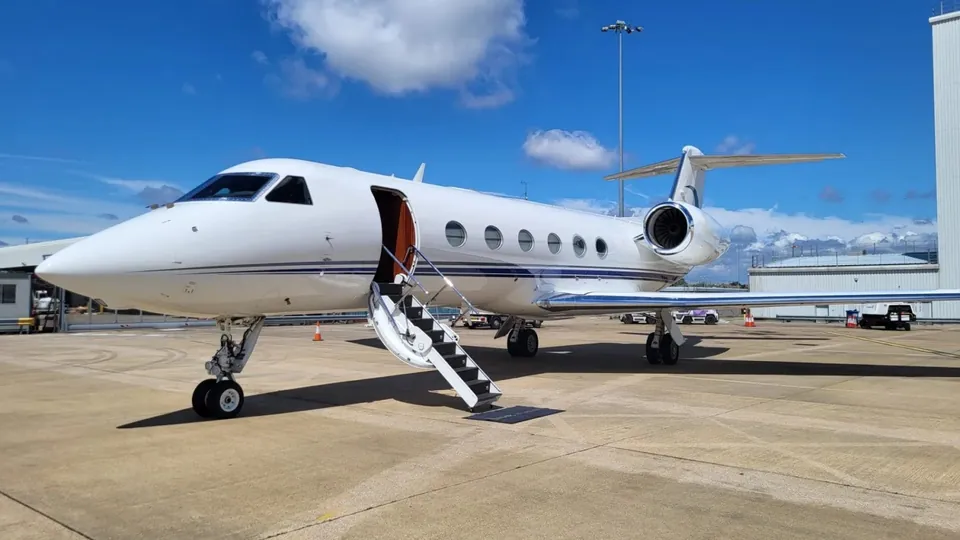
Conventional wisdom says booking late means paying more. In commercial aviation that is largely true. In private aviation the opposite can apply. An operator may occasionally price a repositioning opportunity below an on-demand charter, but short-notice supply can also narrow and become more expensive. The key is knowing how the market actually works.
The Myth of the Last-Minute Premium
Understand Why Last-Minute Rates Move
Private jet pricing is driven by two forces: demand on a specific route and the cost of positioning an aircraft to serve it. When an operator needs to reposition a jet anyway, the marginal cost of carrying a paying passenger drops sharply. These are empty legs, and they are the single biggest source of genuine last-minute value.
Empty legs are not guaranteed. They depend on the operator's existing schedule, and they can be cancelled if the originating trip changes. A broker who monitors live fleet positions across multiple operators can match your itinerary to an available repositioning flight before it disappears.
What Actually Drives the Price Up
Before chasing a deal, it helps to know what inflates last-minute costs:
- Single-operator searches. Calling one charter company limits your options to their available fleet. A broker can request and compare options from more than one direct air carrier.
- Inflexible timing. A departure window of plus or minus two hours can open up aircraft that would otherwise require expensive repositioning.
- Peak travel dates. School holidays, major sporting events, and long weekends compress availability. Last-minute bookings during these windows are genuinely harder to price competitively.
- Remote or low-traffic airports. Positioning fees are real. Flying into a major hub is almost always cheaper than a rural airstrip, even if the final destination is the same.
The Practical Playbook
Call a broker first, not a search engine. Aggregator platforms show listed availability, not negotiated rates. A broker can request operator-confirmed options that may not appear in an automated listing and compare the complete terms.
Be honest about flexibility. If you can move your departure by a few hours or swap a nearby airport, say so immediately. That information is leverage. Operators price rigidity into their quotes.
Ask specifically about empty legs on your route. Do not wait for the broker to volunteer this. Ask directly whether any aircraft are repositioning near your origin or destination in your travel window. The answer changes the conversation.
Confirm what is included. Last-minute quotes sometimes strip out catering, ground transport, or de-icing fees to hit a headline number. A clean quote should itemise fuel surcharges, landing fees, and any overnight crew costs.
Understand the aircraft category you actually need. Booking a heavy jet for a two-hour sector because it was available is a common and expensive mistake. A light or midsize jet covers most short-haul routes at a fraction of the cost with no meaningful reduction in comfort for small groups.
Timing Windows That Work in Your Favour
Short-notice availability changes by route, date, aircraft position, crew duty and airport constraints. More notice generally leaves more alternatives, while a matching repositioning flight can appear later.
Availability and pricing vary by market and event calendar. Share any flexibility in departure time or nearby airports so it can be tested against current operator supply.
What a Good Broker Does Differently
TriStar accepts international requests and asks appropriately certificated direct air carriers for current, mission-specific options. Proposals should identify the aircraft, operating carrier and quoted terms before approval.
Last-minute bookings also require fast documentation. Passenger manifests, visa checks for international routes, and slot confirmations at busy airports all need to happen quickly. An experienced broker handles this in parallel with sourcing the aircraft, which is where self-service platforms consistently fall short.
One Rule That Saves Money Every Time
Have the passenger count, luggage and any special requirements ready for the initial request. Provide legal names and travel-document details only when required for the proposed flight, using the agreed secure process. It sounds basic because it is, but it is the single most common reason a last-minute booking takes longer than it should.
If you have a short-notice requirement, contact TriStar.vip directly. The charter desk reviews current availability and quoted terms before asking you to commit.
Plan a specific trip
Use current aircraft and operator-confirmed pricing.
Share the route, timing, passenger count and baggage. The charter desk will check suitable aircraft for the requested mission.